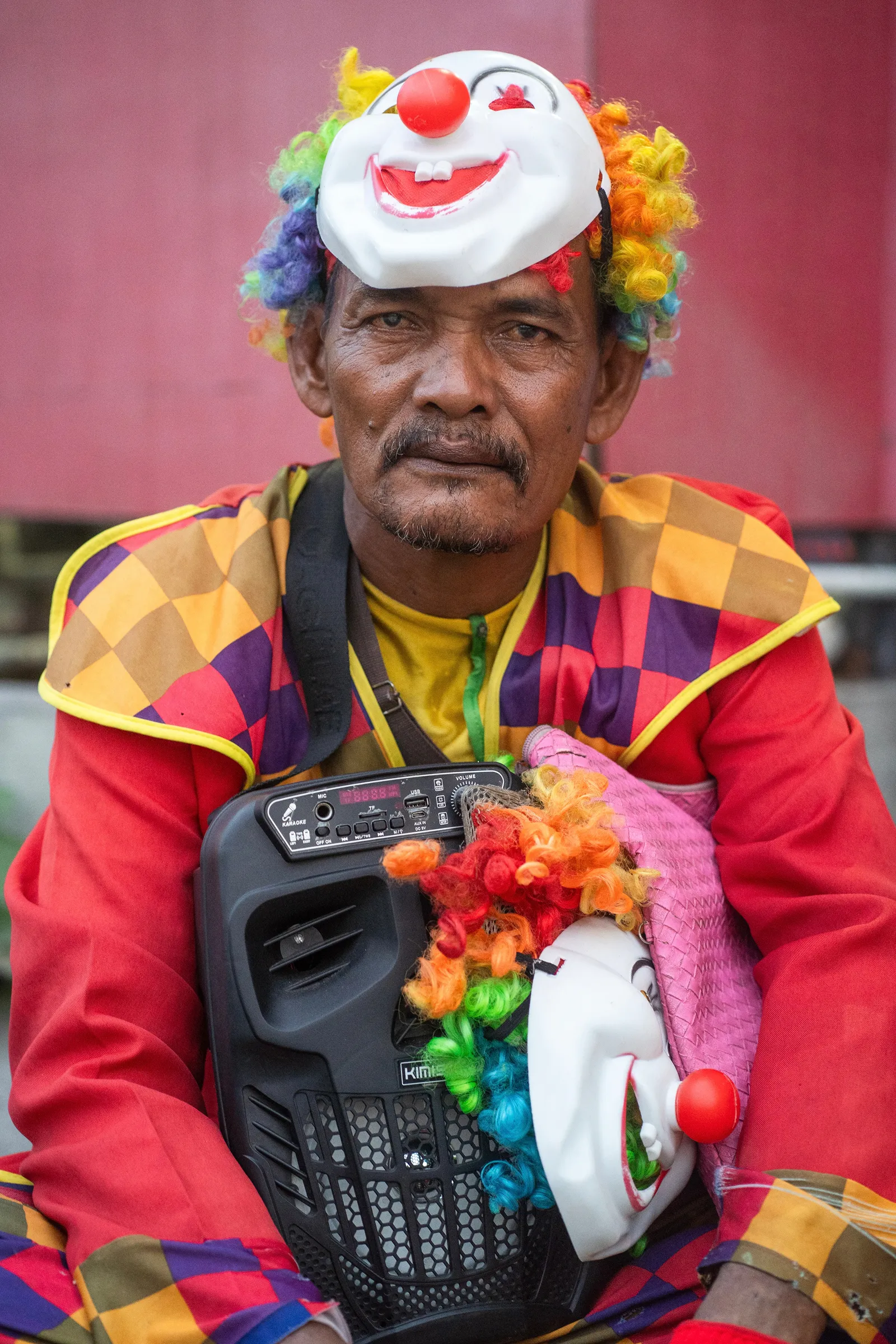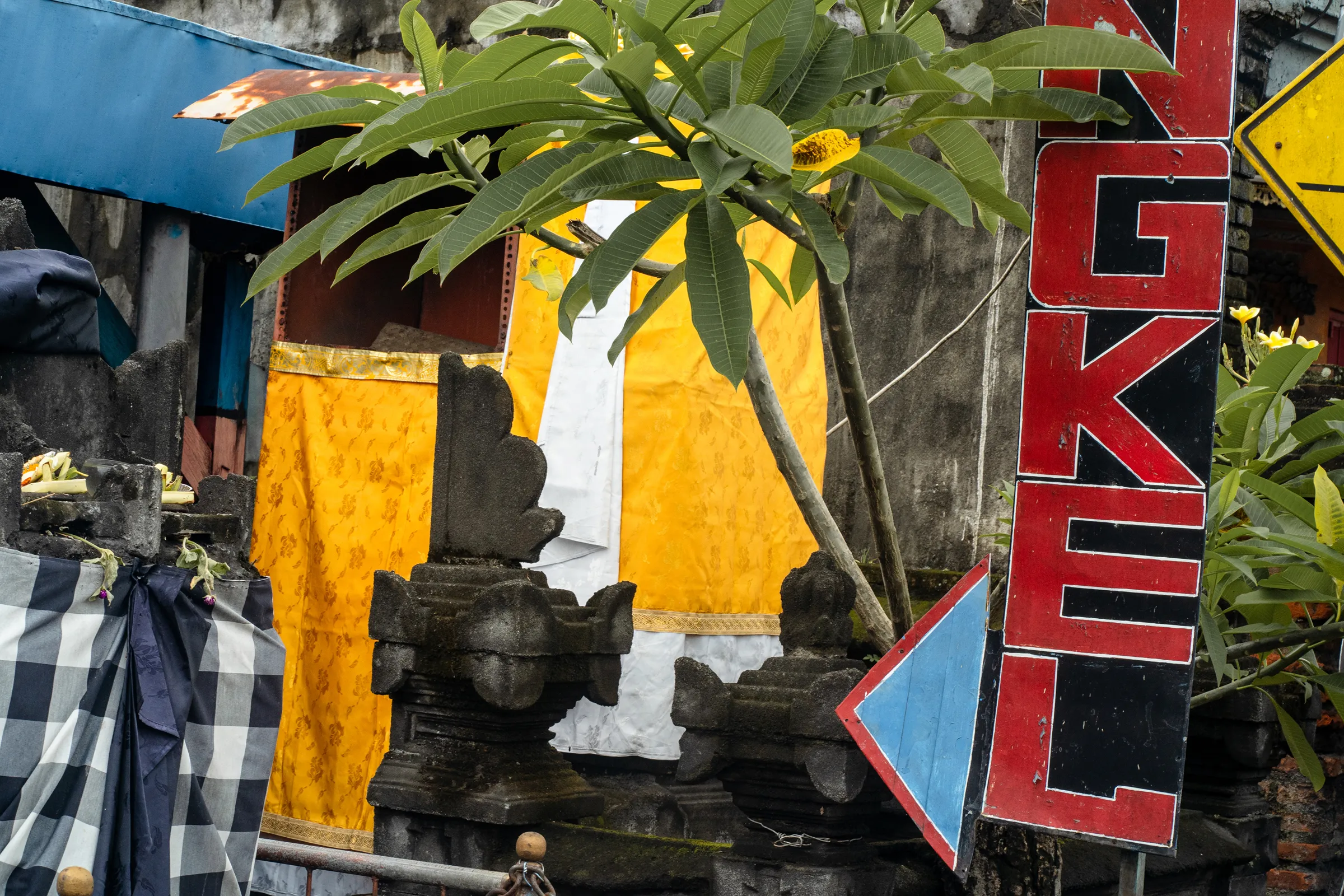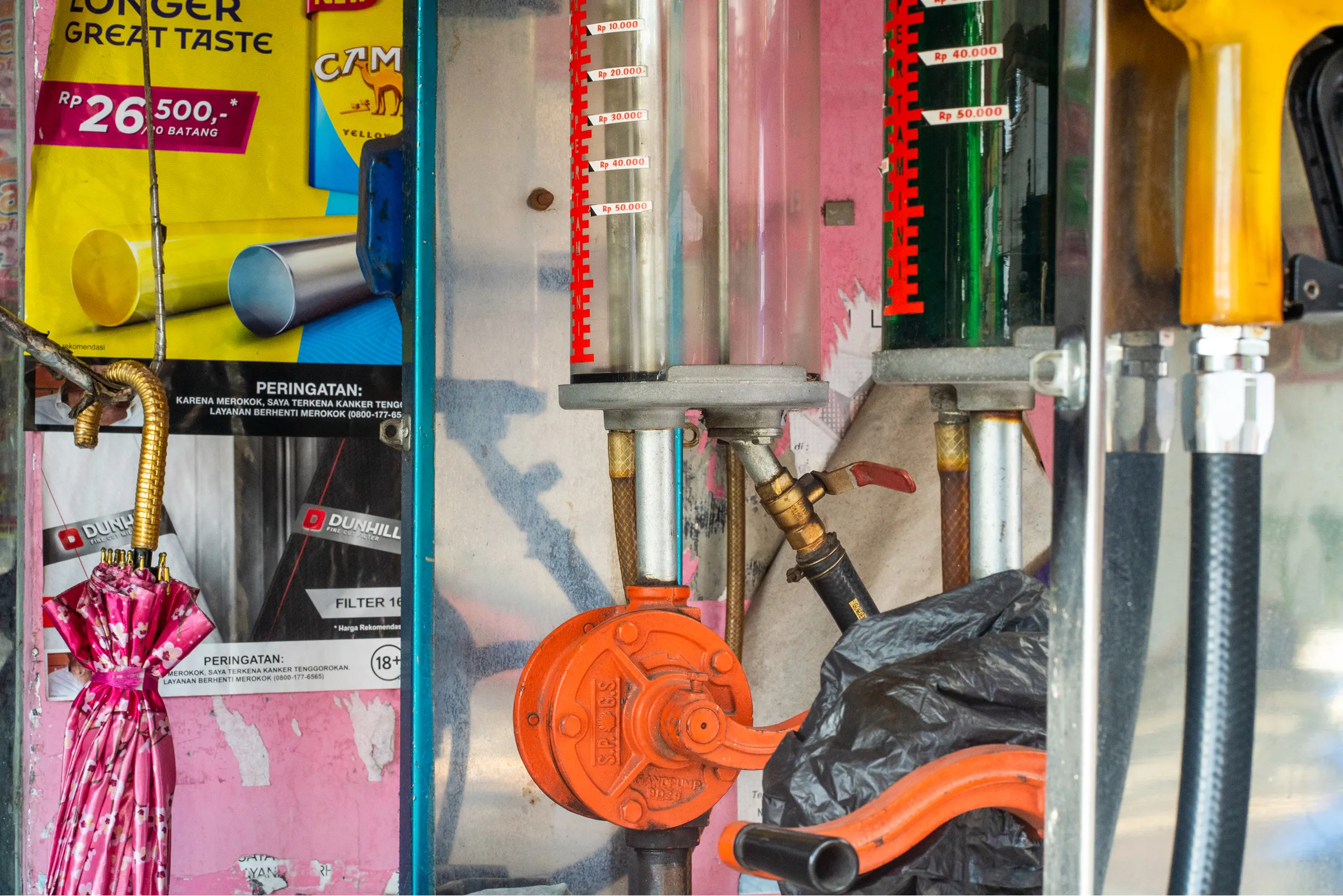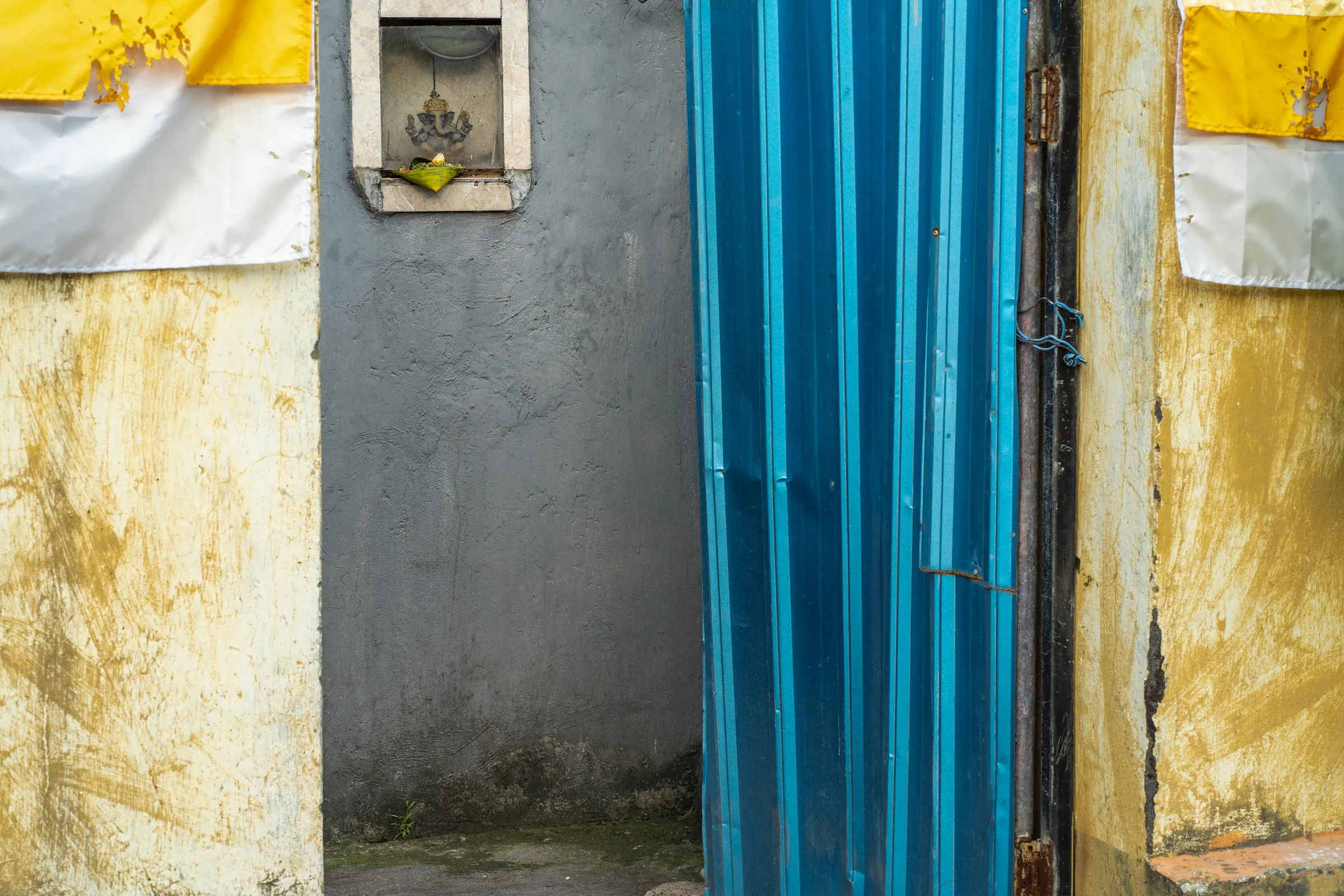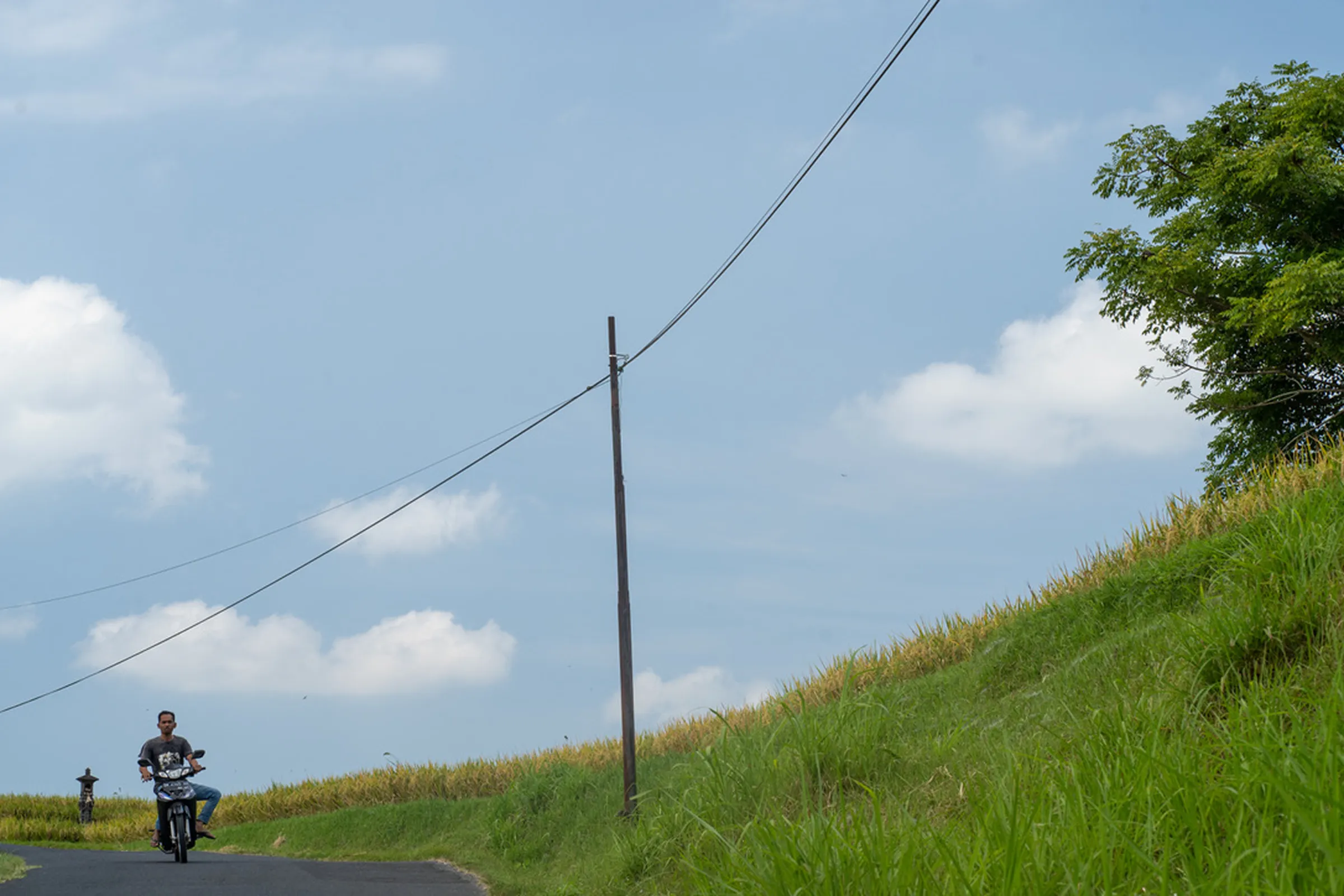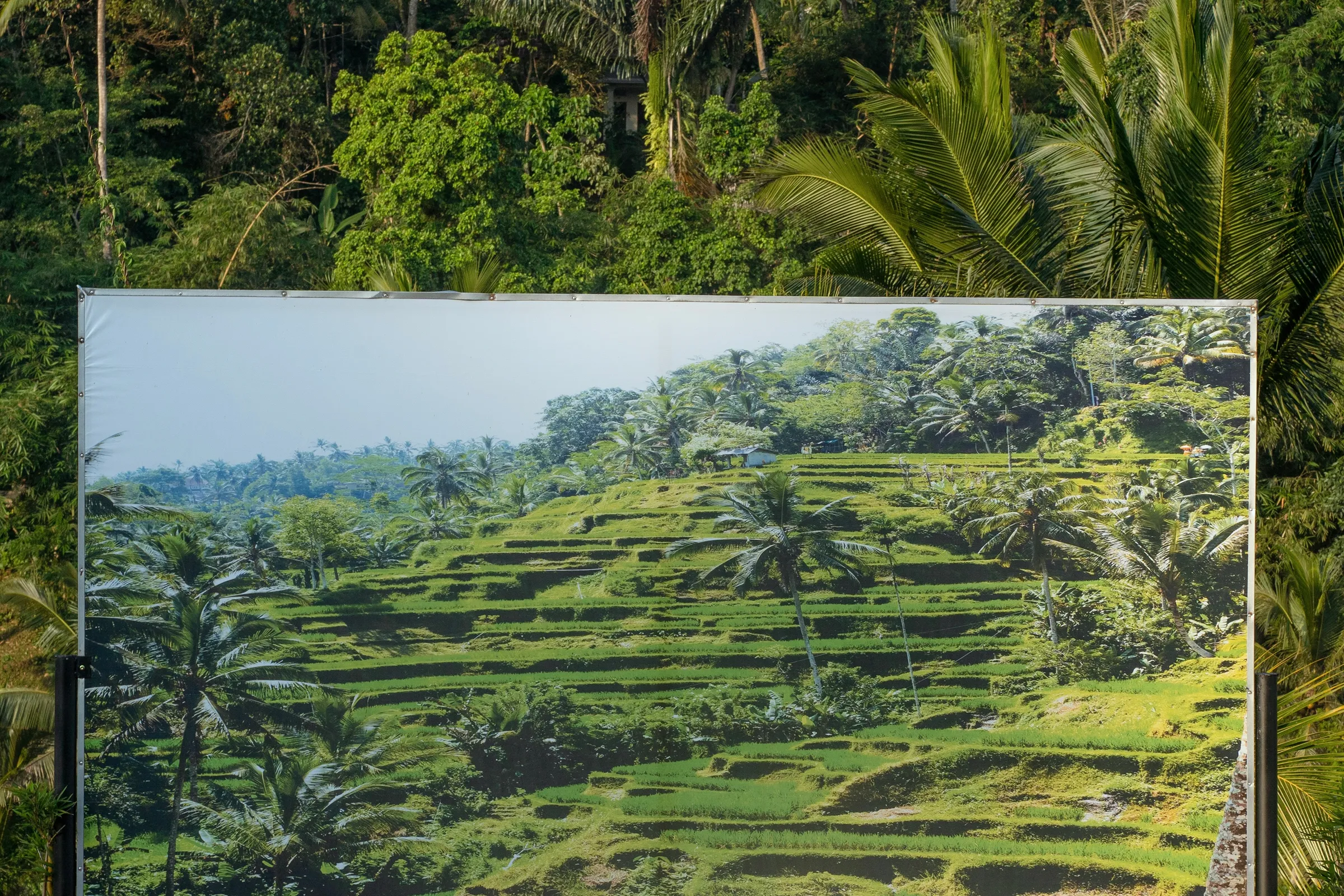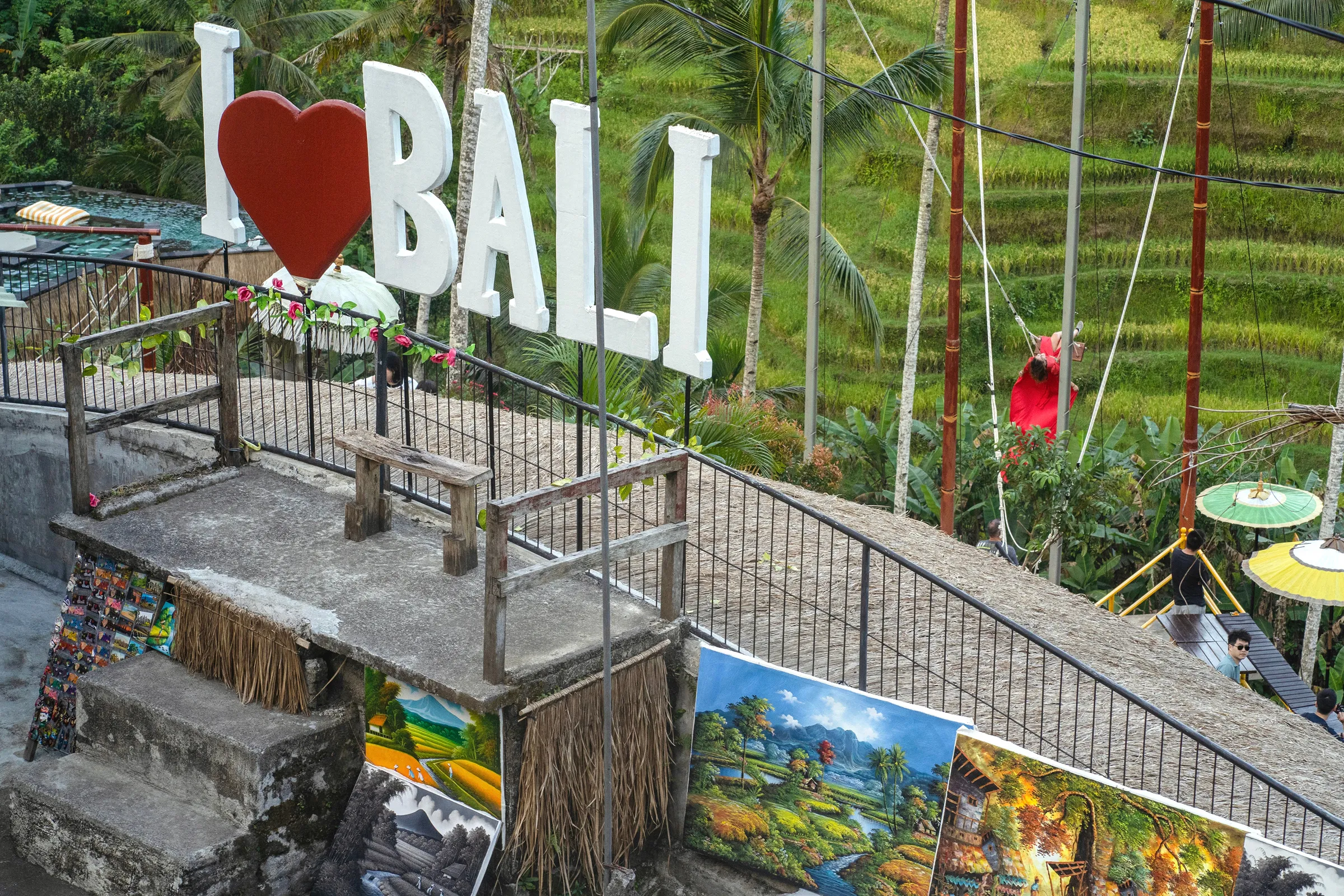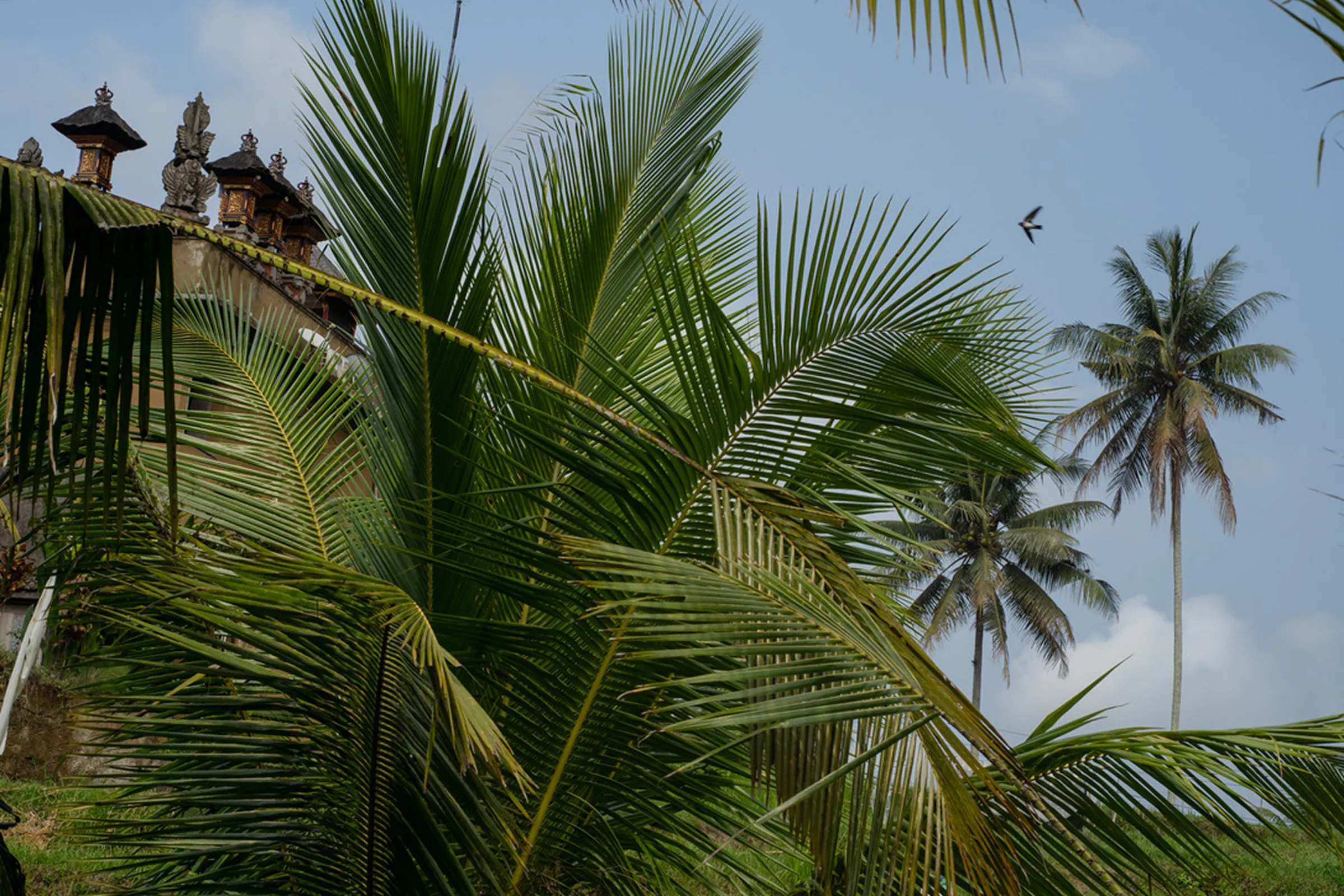
Desde la época colonial, Bali ha sido objeto de una campaña de marketing enfocada en hacer que todos los aspectos de la isla puedan ser empaquetados de manera fácil y rápida para su consumo. Entre los recursos más explotados se encuentran aquellos que grupos de artistas indonesios han descrito como la Sagrada Trinidad de las Mooi Indië: arrozales, palmeras y volcanes.
Atraídos por imágenes exóticas de un paraíso terrenal, los primeros miembros del jetset internacional comenzaron a llegar en masa a principios del siglo XX, al mismo tiempo que los balineses se vieron obligados a explicar a sus colonizadores cómo diferenciar entre religión, cultura y tradición, conceptos que anteriormente no existían en el vocabulario balinés.
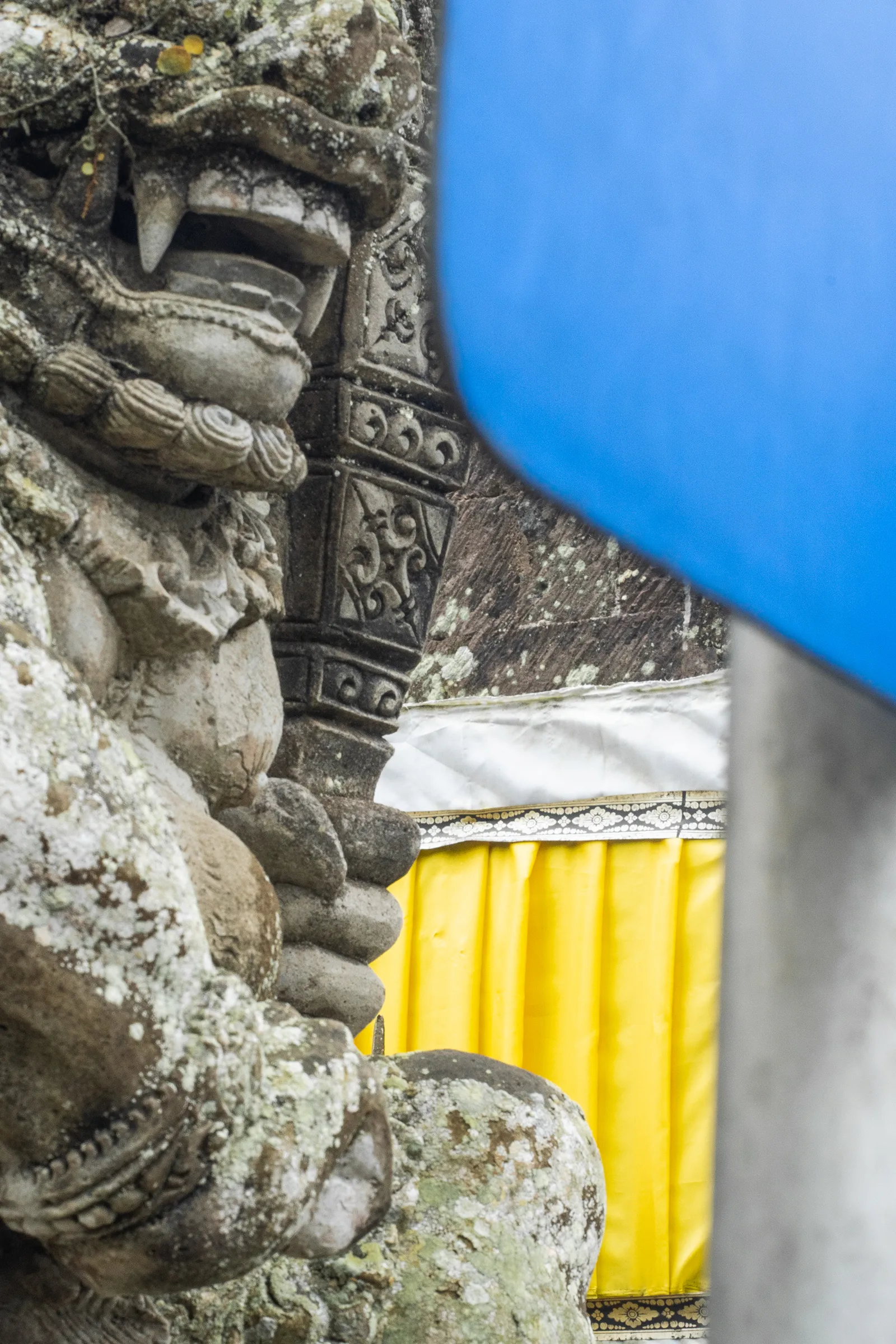
¿Cómo distinguir aquello que antes estaba íntimamente entrelazado? ¿Qué es sagrado y qué es secular?
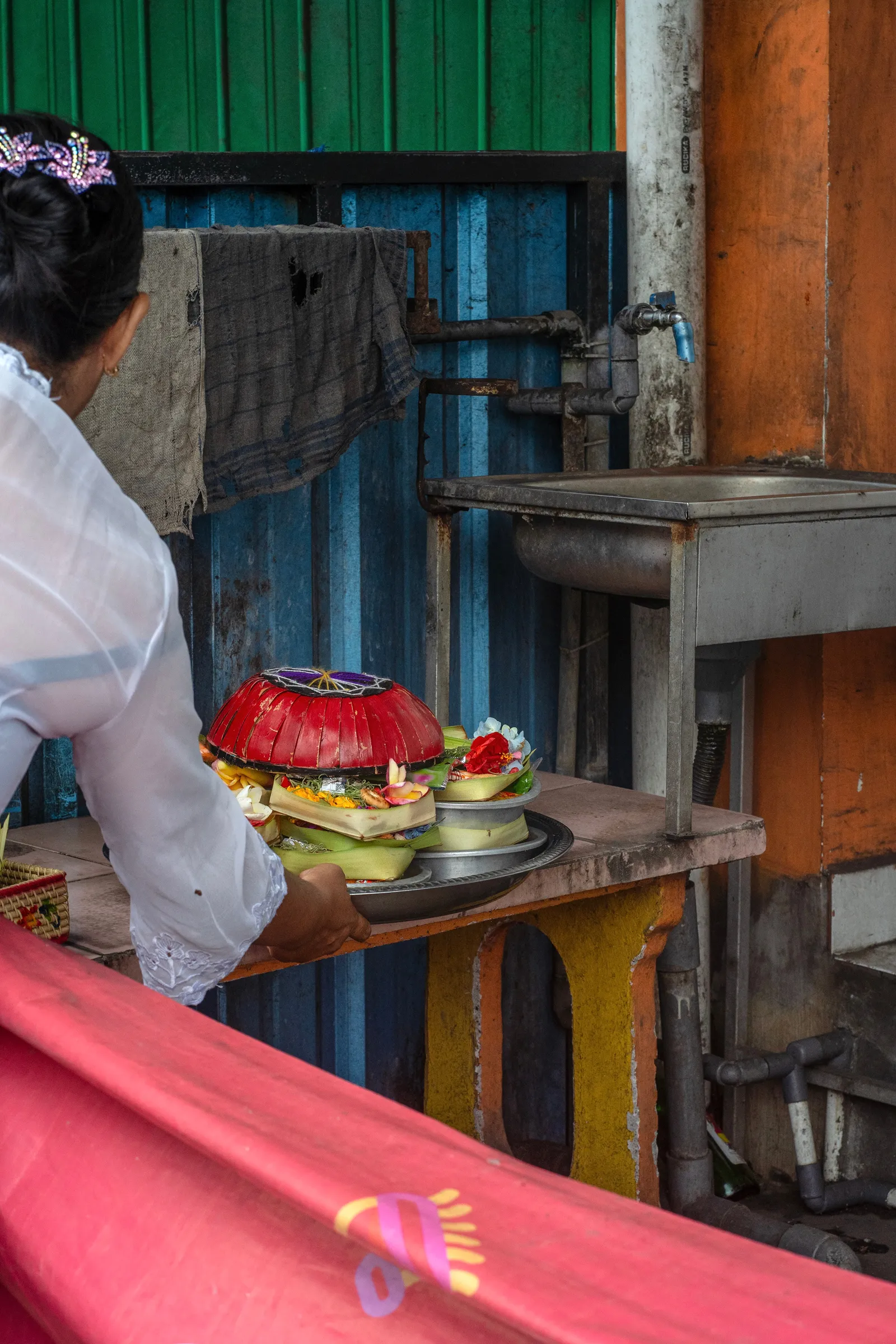
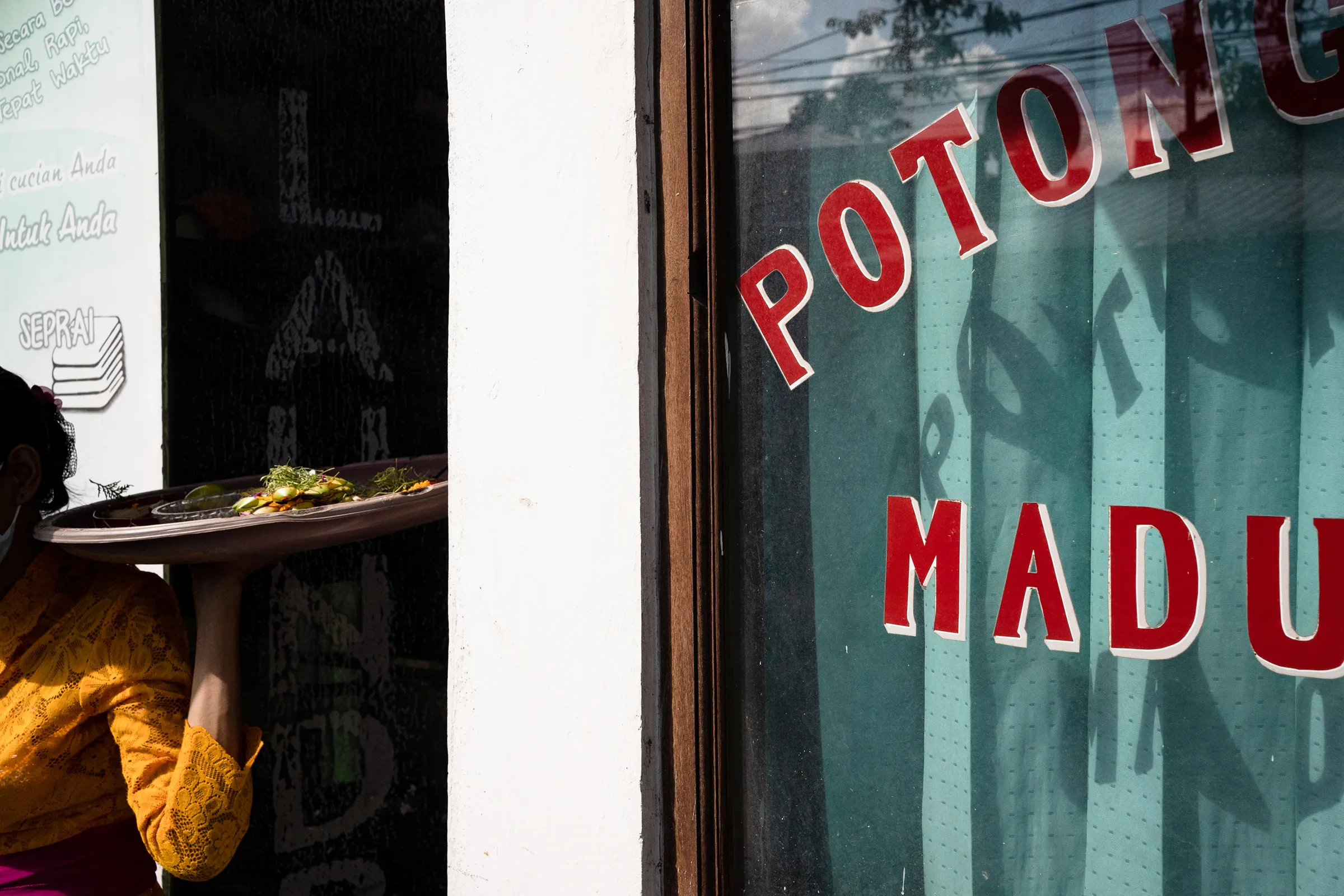
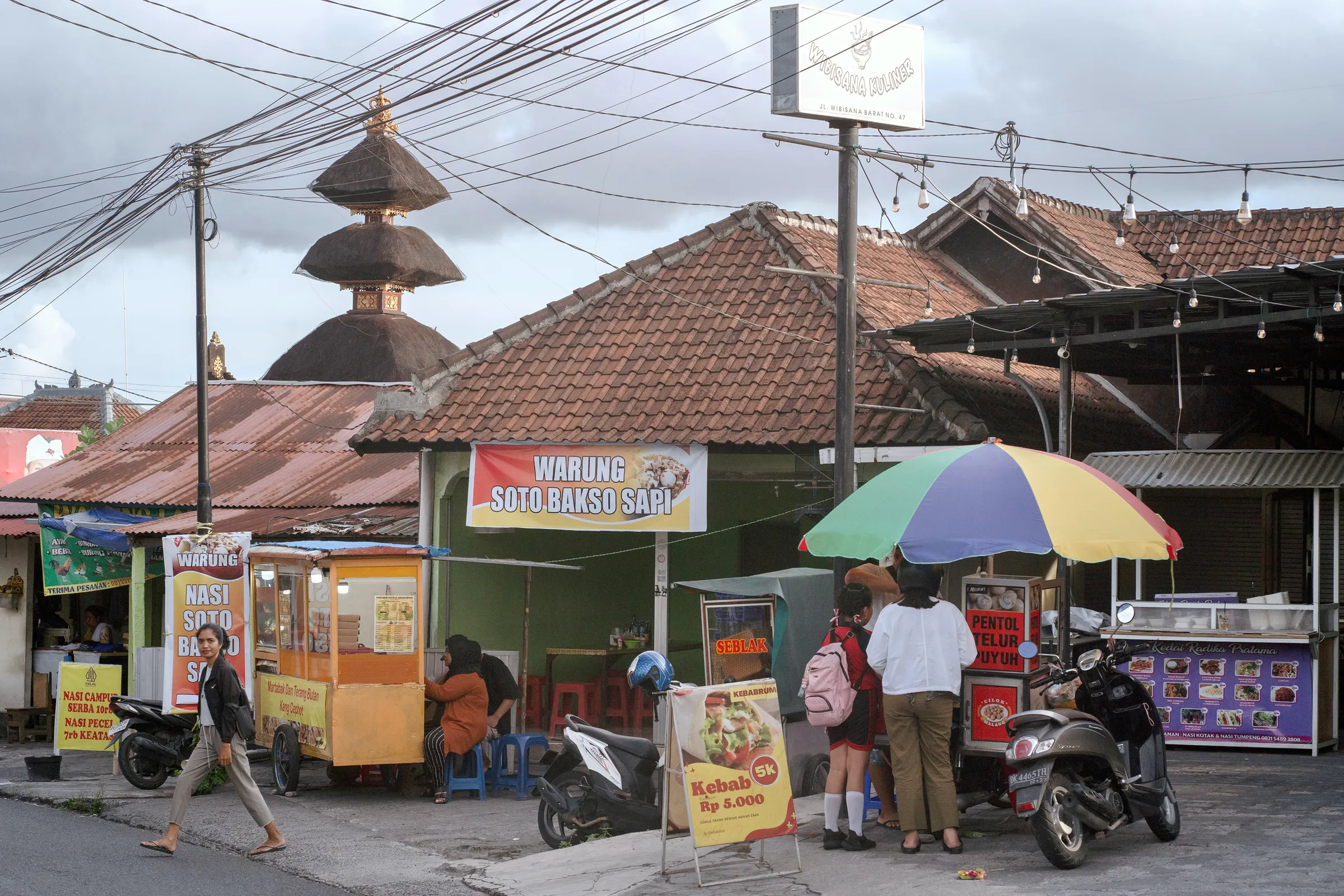
Lo que antes estaba reservado para los templos y las ceremonias sagradas ahora se exhibe alegremente ante grupos de turistas o se vende a escala industrial en los mercados. El intrincado sistema de subak, fundamental para el funcionamiento de los mismos arrozales aclamados en todo el mundo, se ha ido erosionando progresivamente en nombre del progreso y del crecimiento económico acelerado.